

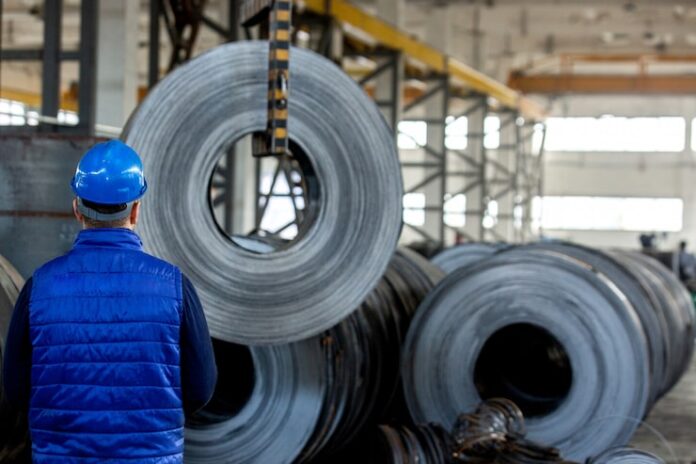
When it comes to industrial piping systems, pipe flanges are not just mechanical connectors — they are critical components that ensure structural integrity, leak-proof performance, and long-term operational safety. Yet, many businesses make costly mistakes while sourcing them.
Whether you are purchasing Forged Flanges for a refinery project or working with Forged Fittings manufacturers in India for export supply, choosing the wrong supplier or product can lead to delays, compliance issues, and financial losses.
Here are the most common mistakes to avoid — and how to source smarter.
1. Focusing Only on Price
One of the biggest sourcing mistakes is prioritizing the lowest quotation.
While cost matters, extremely low pricing often signals:
- Substandard raw materials
- Poor forging quality
- Inadequate heat treatment
- Lack of testing or certification
Industrial flanges operate under high pressure and temperature conditions. Compromising quality to save upfront cost can lead to leakage, downtime, or even system failure.
Smart buyers evaluate value — not just price.
2. Ignoring Material Grade Verification
Not all forged products are created equal.
Forged flanges are available in various materials such as:
- Carbon steel
- Stainless steel (SS 304, SS 316)
- Alloy steel
- Duplex & super duplex
A common mistake is assuming the supplied material matches specifications without verification.
Always ask for:
- Mill Test Certificates (MTC)
- Chemical composition reports
- Mechanical property reports
- PMI (Positive Material Identification) testing, if required
Reliable Forged Fittings manufacturers in India provide proper documentation and traceability.
3. Overlooking Manufacturing Standards
Industrial flanges must comply with international standards such as:
- ASME
- ANSI
- DIN
- BS
- ASTM
Failing to confirm standard compliance can result in:
- Improper fitting
- Pressure mismatch
- Rejection during inspection
Always ensure that the Forged Flanges meet the required dimensional and pressure rating standards for your project.
4. Not Checking Pressure Ratings Carefully
Flanges are manufactured in pressure classes like:
- Class 150
- Class 300
- Class 600
- Class 900 and above
Selecting the wrong pressure rating can compromise system safety.
Some buyers mistakenly assume higher class is always better — but over-specifying can increase cost unnecessarily. Under-specifying, on the other hand, can lead to dangerous failures.
Match the flange class precisely with system requirements.
5. Choosing Suppliers Without Manufacturing Capabilities
There’s a difference between a trader and a manufacturer.
Many buyers assume they’re purchasing from a direct manufacturer, but later discover the supplier is simply sourcing from another vendor.
Working directly with experienced Forged Fittings manufacturers in India offers:
- Better quality control
- Competitive pricing
- Customization options
- Faster production timelines
Before placing bulk orders, verify:
- Factory infrastructure
- Forging equipment
- Heat treatment facilities
- Testing capabilities
Transparency builds trust.
6. Ignoring Inspection & Testing Procedures
Industrial projects often require third-party inspection or in-house quality checks.
Common tests include:
- Hydrostatic testing
- Ultrasonic testing
- Radiography
- Hardness testing
- Dimensional inspection
Skipping proper inspection can lead to project rejection or operational risks.
Always clarify inspection requirements before finalizing your purchase order.
7. Poor Communication of Technical Specifications
Vague purchase orders often create confusion.
Instead of simply writing “Weld Neck Flange – SS 316,” specify:
- Size (NPS)
- Schedule
- Pressure class
- Facing type (RF, RTJ, FF)
- Standard compliance
- Quantity
- Surface finish
Clear documentation prevents manufacturing errors and shipment delays.
8. Overlooking Delivery Timelines
Industrial projects run on strict schedules.
Late delivery of forged flanges can delay:
- Installation
- Commissioning
- Project handover
Before finalizing your supplier, confirm:
- Production lead time
- Stock availability
- Export documentation readiness
- Shipping method
Reliable suppliers provide realistic timelines — not overpromises.
9. Neglecting Long-Term Supplier Relationships
Sourcing shouldn’t be transactional.
Building a strong relationship with trusted Forged Fittings manufacturers in India can provide:
- Consistent quality
- Priority production slots
- Custom engineering support
- Better pricing on repeat orders
Long-term partnerships reduce procurement stress and improve supply chain stability.
10. Not Evaluating After-Sales Support
After-sales support is often ignored — until a problem arises.
What if:
- Material certificates are missing?
- Dimensions don’t match specifications?
- Inspection authorities request clarification?
Choose suppliers who provide prompt technical assistance and documentation support even after delivery.
Final Thoughts
Sourcing industrial Forged Flanges is not just a purchasing decision — it’s a safety and performance decision.
Avoiding these common mistakes ensures:
✔ Better system reliability
✔ Compliance with industry standards
✔ Reduced operational risks
✔ Long-term cost savings
✔ Smooth project execution
When working with established Forged Fittings manufacturers in India, prioritize quality, transparency, and technical expertise over short-term cost savings.
Because in industrial infrastructure, precision matters — and the smallest component can determine the strength of the entire system.
